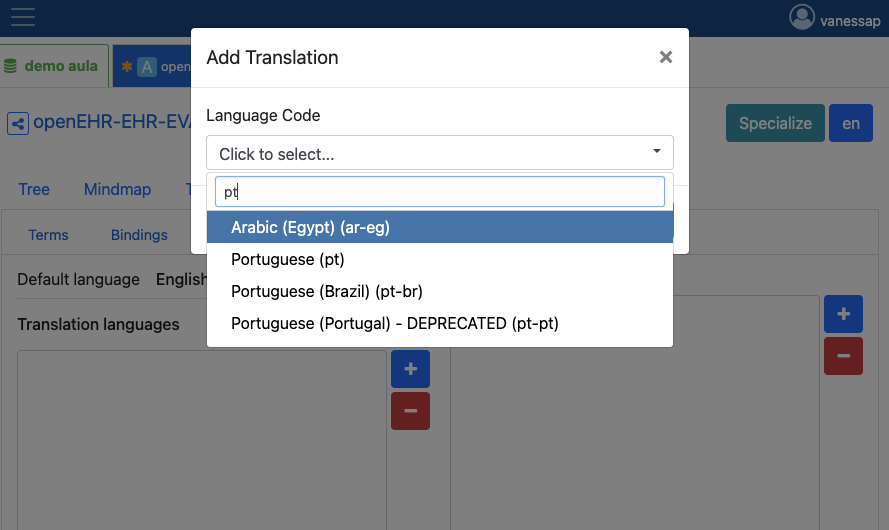
First of all, we need to reflect on the requirement: to maintain meaning so that no errors of understanding occur when e.g. a term text is display in some language, to some supposed consumer of that language. Possible categories of difference between regions using the same language:
- a ‘hard’ difference in usage of a medical term or use of a different term; I don’t have one to hand, but I’d say if we investigate ‘angina’ in most languages and their regional / country variants, we’ll see some interesting things; Brazil is likely also to have more / differing terms relating to tropical diseases and their symptoms
- grammar differences, e.g. present continuous tense in pt-PT v pt-BR
- colloquial differences, i.e. ‘how we say it’ is just different, for no good reason
Unless one of these exists, I would not be trying to use the regional variants as a way to allow different translation styles that encode no semantic differences - then we are just into competing translations of e.g. War and Peace into English (there are quite a few).
I have to admit I am not sure how much work we should put into spelling differences. As a speaker of international English, it is intensely annoying to see ‘pediatric’ instead of ‘paediatric’ (still universally used in the UK), but if you look at the word ‘foetal’ / ‘fetal’, it’s completely mixed all over the world - not only the Americans use ‘fetal’. If the text said something like ‘… according to the protocol originally developed at Northampton Paediatric clinic, UK…’, then you’d want the proper spelling, even in the default ‘en’ translation. At least for English, theoretically we could say that ‘en’ is International English, but the use of ‘colour’ etc may be more annoying to the North Americans than ‘color’ is to us.
And don’t get me started on ‘plow’, ‘modeling’. Nevertheless, one must keep things in perspective…
My original vision was that things like archetype terminologies would have (say)
- a ‘pt’ translation of all ‘en’ items, and where needed (= in real semantic cases),
- override ‘pt-PT’ terms and
- override ‘pt-BR’ terms
- override ‘pt-xx’ terms, if applicable (Angola, Sao Tome, Timor etc)
In this scheme we have to decide what the (default) ‘pt’ version of a term is - is it the Portugal one, Brazilian, or other? I don’t think it matters, as long as the overrides are done correctly.
The processing should always be that the translation relating to the locale is chosen, and then if not present (usually it won’t be), just get the default translation of that language. Then what is shown on the screen should always be right.
Any argument over pure style should be resolved within the parent language first, not result in regional variants for no good reason.